Manual Valve: A Comprehensive Guide (Updated 04/21/2026)
Reliability‚ abrasion resistance‚ and maintainability are key factors when choosing valves for slurry service‚ prioritizing unobstructed flow paths for optimal performance.
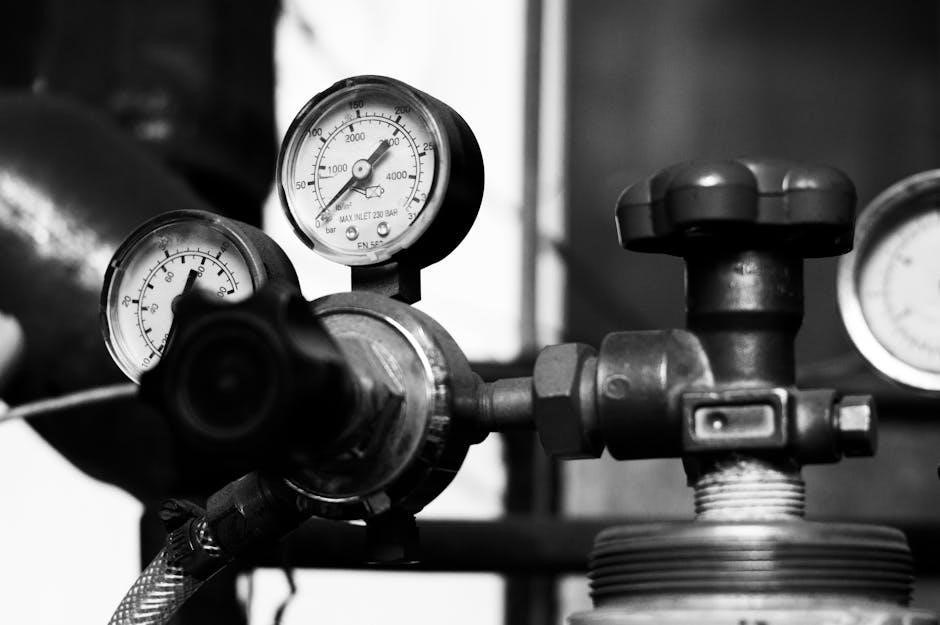
Manual valves represent a foundational element within numerous industrial processes‚ offering a simple yet effective method for fluid flow control. Unlike automated valves‚ they rely on direct human operation to regulate the passage of liquids‚ gases‚ or slurries.
Their enduring popularity stems from their inherent reliability‚ cost-effectiveness‚ and straightforward design‚ requiring no external power source for operation. Selecting the appropriate manual valve necessitates careful consideration of the application’s specific requirements‚ including fluid type‚ pressure‚ temperature‚ and the desired level of flow control.
Factors like abrasion resistance and ease of maintenance become particularly crucial when dealing with abrasive media like slurries. Understanding the diverse types of manual valves and their respective strengths is paramount for engineers and technicians alike‚ ensuring optimal system performance and longevity.
What is a Manual Valve?
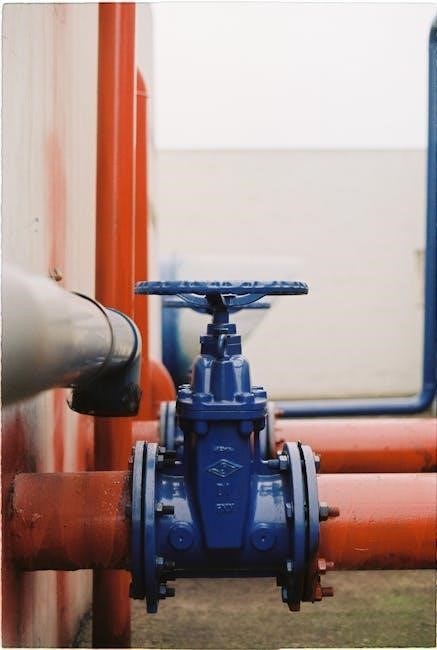
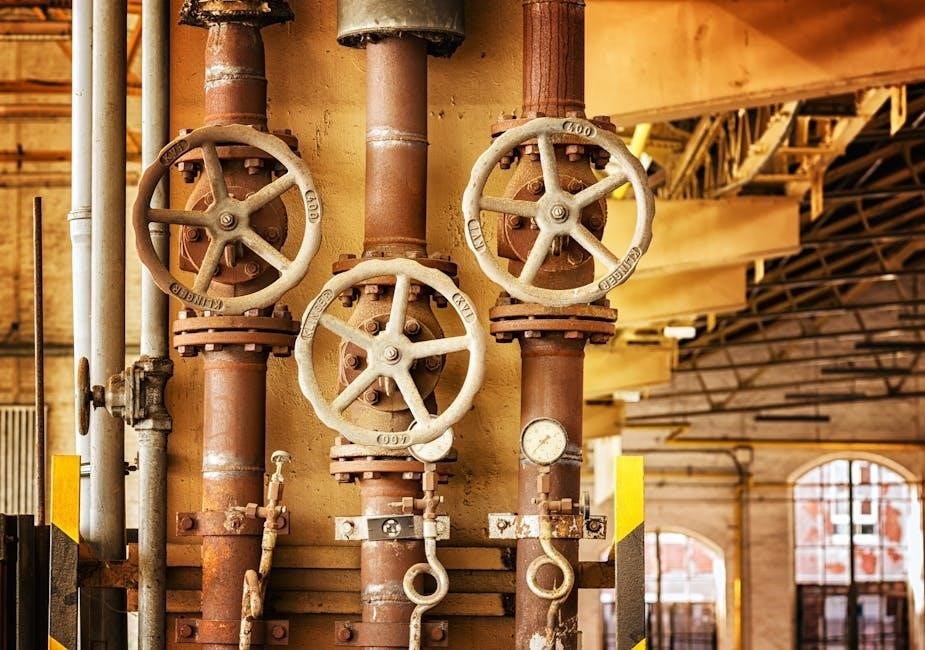
A manual valve is a mechanically operated flow control device‚ distinguished by its reliance on human intervention for opening‚ closing‚ or throttling fluid flow. These valves utilize a handle‚ wheel‚ or lever to manipulate an internal mechanism – a disc‚ gate‚ ball‚ or butterfly – directly impacting the flow path.
Essentially‚ they function as adjustable barriers within a pipeline‚ providing on/off control or variable restriction. Unlike automatic valves driven by actuators‚ manual valves offer a direct and visual indication of valve position.
Their simplicity translates to robustness and minimal maintenance‚ making them suitable for a wide range of applications‚ especially where precise control or power independence is needed. Proper selection considers fluid characteristics and operational demands.
Types of Manual Valves
Manual valves encompass a diverse range of designs‚ each suited for specific applications and fluid types. Ball valves offer quick quarter-turn operation and tight shut-off‚ ideal for on/off service. Gate valves provide unrestricted flow when fully open but are not designed for throttling. Globe valves excel at flow regulation due to their disc design‚ though they introduce higher pressure drop.
Butterfly valves are lightweight and cost-effective‚ commonly used for large-diameter pipelines; Check valves‚ while often automatic‚ can have manual override options‚ preventing backflow. Selecting the appropriate type hinges on factors like pressure‚ temperature‚ fluid viscosity‚ and required control precision.
Ball Valves
Ball valves utilize a hollow‚ perforated‚ and pivoting ball to control flow. Their quarter-turn operation – 90 degrees between fully open and closed – provides rapid actuation. This simplicity contributes to their reliability and makes them a popular choice across numerous industries. They offer a tight‚ leak-proof seal‚ especially when utilizing PTFE seats.
Commonly constructed from brass‚ stainless steel‚ or PVC‚ ball valves are versatile for handling various fluids. They are particularly well-suited for applications requiring frequent operation and quick shut-off. However‚ they aren’t ideal for precise throttling due to potential erosion of the ball and seats.
Gate Valves
Gate valves employ a gate (or wedge) that slides into the flow path to start or stop fluid flow. They are primarily designed for on/off service‚ not for regulating flow. Their design offers minimal obstruction to flow when fully open‚ resulting in low pressure drop. This makes them suitable for high-flow applications where energy efficiency is crucial.
Typically constructed from cast iron‚ steel‚ or stainless steel‚ gate valves are robust and durable. However‚ they are relatively slow to operate‚ requiring multiple turns to fully open or close; They are also susceptible to vibration and water hammer‚ potentially damaging the gate and seat.
Globe Valves
Globe valves are characterized by a spherical body and an internal baffle‚ offering excellent flow control capabilities. Unlike gate valves‚ they are well-suited for throttling and regulating flow‚ making them ideal for applications requiring precise adjustments. The flow path through a globe valve is more restrictive than other valve types‚ leading to a higher pressure drop.
Commonly constructed from materials like cast iron‚ steel‚ and stainless steel‚ globe valves provide reliable performance in various applications. Their design minimizes erosion and cavitation‚ enhancing longevity. However‚ the complex flow path and increased pressure drop can limit their efficiency in high-flow scenarios.
Butterfly Valves
Butterfly valves utilize a disc rotating within a pipe to control flow‚ offering a lightweight and compact design. They are particularly effective for large-diameter pipes and low-pressure applications where quick operation is crucial. The valve’s simple construction contributes to lower costs compared to globe or gate valves.
Common materials include cast iron‚ stainless steel‚ and various polymers for the disc. While providing good flow capacity with minimal pressure drop‚ butterfly valves aren’t ideal for precise throttling. Their sealing capabilities can be less robust than other valve types‚ potentially leading to leakage in demanding applications.
Check Valves (Manual Operation)
Manually operated check valves‚ though less common‚ combine the one-way flow prevention of standard check valves with manual override capabilities. This allows for backflow testing or maintenance without complete system shutdown. These valves typically feature a handle or lever to lift the check disc‚ enabling reverse flow for a limited duration.
They are crucial in situations where verifying functionality or clearing blockages is necessary. Materials mirror those of standard check valves – bronze‚ stainless steel‚ and plastics – chosen based on fluid compatibility. Proper operation requires understanding the manual override mechanism to avoid damage or unintended consequences.
Materials Used in Manual Valve Construction
Manual valve construction relies on a diverse range of materials selected for durability‚ corrosion resistance‚ and fluid compatibility. Valve bodies are frequently crafted from cast iron for cost-effectiveness and strength‚ steel for high-pressure applications‚ and stainless steel for corrosive environments. Material choice significantly impacts valve lifespan and performance.
Seal materials are equally critical‚ with elastomers like EPDM and nitrile providing excellent sealing for many fluids. PTFE (Teflon) is favored for its chemical inertness and high-temperature resistance. Selecting the appropriate material pairing ensures reliable operation and prevents leaks‚ extending the valve’s service life.
Common Body Materials (Cast Iron‚ Steel‚ Stainless Steel)
Cast iron remains a popular choice for manual valve bodies due to its affordability‚ rigidity‚ and good machinability‚ though it’s susceptible to corrosion. Steel offers superior strength and is ideal for high-pressure systems‚ but requires protective coatings to prevent rust. Stainless steel provides exceptional corrosion resistance‚ making it suitable for harsh chemical environments and potable water applications.
The selection hinges on the fluid handled‚ operating pressure‚ and temperature. Carbon steel valves are often coated with epoxy or other protective layers. Stainless steel alloys‚ like 304 and 316‚ offer varying levels of corrosion protection‚ influencing long-term reliability and maintenance needs.
Seal Materials (Elastomers‚ PTFE)
Elastomers‚ including materials like Buna-N‚ EPDM‚ and Viton‚ are frequently used for manual valve seals due to their flexibility and ability to create a tight closure. They excel in low to moderate temperature applications‚ offering good resistance to many fluids. However‚ their compatibility varies significantly with different chemicals.
PTFE (Polytetrafluoroethylene)‚ often known as Teflon‚ provides exceptional chemical resistance and a wide temperature range. It’s ideal for aggressive media but can be more expensive than elastomers. Selecting the correct seal material is crucial for preventing leakage and ensuring long-term valve performance‚ considering fluid compatibility and operating conditions.
Applications of Manual Valves
Manual valves are ubiquitous across diverse industries‚ serving as essential flow control components. In water and wastewater treatment‚ they regulate water distribution and manage process flows. The oil and gas industry relies on them for controlling hydrocarbon streams during extraction‚ processing‚ and transportation.
Chemical processing utilizes manual valves for precise control of corrosive and reactive substances. HVAC systems employ them to regulate heating and cooling fluid circulation. Their simplicity‚ reliability‚ and cost-effectiveness make them suitable for a wide range of on/off and throttling applications where automated control isn’t necessary.
Water and Wastewater Treatment
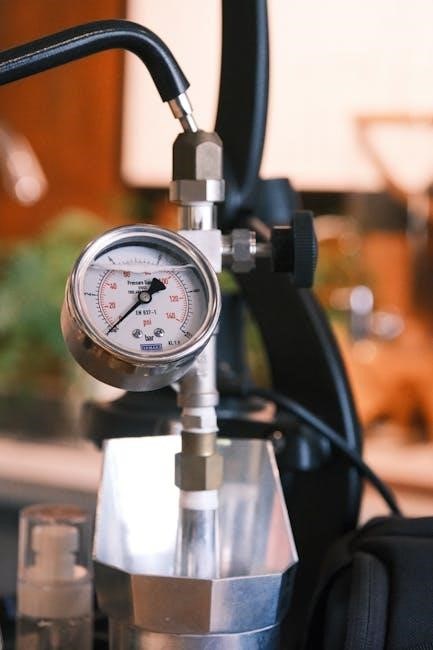
Manual valves play a critical role in water and wastewater treatment facilities‚ controlling the flow of water and treatment chemicals throughout the various stages of the process. They are frequently used for isolating sections of piping for maintenance‚ regulating flow to filtration systems‚ and managing the discharge of treated effluent.
Their robust construction and ability to handle diverse fluids make them ideal for this demanding environment. Specifically‚ gate and butterfly valves are common choices for isolation‚ while globe valves offer precise throttling capabilities for chemical dosing. Regular inspection and maintenance are crucial to ensure reliable operation and prevent contamination.
Oil and Gas Industry
Within the oil and gas industry‚ manual valves are essential for controlling the flow of hydrocarbons during exploration‚ production‚ and refining processes. They’re utilized for wellhead isolation‚ pipeline regulation‚ and managing fluid transfer between processing units. Ball valves are particularly favored for their quick shut-off capabilities and tight sealing‚ crucial for safety and preventing leaks.
Gate valves provide reliable isolation‚ while check valves (with manual override options) ensure unidirectional flow. The harsh conditions – high pressures‚ extreme temperatures‚ and corrosive fluids – demand valves constructed from durable materials like stainless steel and specialized alloys‚ alongside rigorous maintenance schedules.
Chemical Processing
Manual valves play a critical role in chemical processing plants‚ controlling the flow of diverse and often corrosive chemicals. Precise flow regulation is paramount for maintaining reaction conditions and ensuring product quality. Globe valves are frequently employed for throttling and precise control‚ while butterfly valves offer a cost-effective solution for larger diameter pipelines.
Material selection is crucial; valves must withstand aggressive chemical environments‚ often utilizing PTFE seals and specialized alloy bodies like stainless steel. Regular inspection and maintenance are vital to prevent leaks and ensure safe operation within these demanding applications‚ safeguarding both personnel and the environment.
HVAC Systems
Manual valves are integral components within HVAC systems‚ primarily used for balancing airflow and water flow to optimize system performance and energy efficiency. Ball valves are commonly found in chiller and boiler systems for on/off control‚ offering a quick and reliable shut-off capability. Gate valves‚ while less common in modern systems‚ can still be utilized for isolation purposes during maintenance.
Proper valve placement allows technicians to fine-tune heating and cooling distribution throughout a building. Regular inspection ensures smooth operation and prevents issues like water hammer or uneven temperature distribution. Selecting appropriate materials‚ like brass or stainless steel‚ is vital for longevity within these systems.
Slurry Valve Considerations
Selecting manual valves for slurry applications demands careful consideration beyond typical fluid handling. Reliability in function and design is paramount‚ as frequent maintenance interruptions are costly. Abrasion resistance is crucial due to the erosive nature of slurries‚ necessitating hardened materials. Ease of maintenance is also vital; valves should be readily disassembled for inspection and repair.
The valve’s internal geometry significantly impacts performance. Valves with a straight-through‚ unobstructed flow path minimize slurry buildup and reduce wear. Choosing the correct valve type—often ball or gate valves—depends on slurry characteristics and operational requirements. Proper material selection extends valve lifespan in harsh environments.
Abrasion Resistance in Slurry Applications
Manual valves handling slurries face significant abrasion challenges. Solid particles within the slurry act like abrasive agents‚ eroding valve components over time. This erosion is accelerated by high flow velocities and concentrated particle streams. Selecting materials with high hardness and wear resistance is therefore critical for longevity.
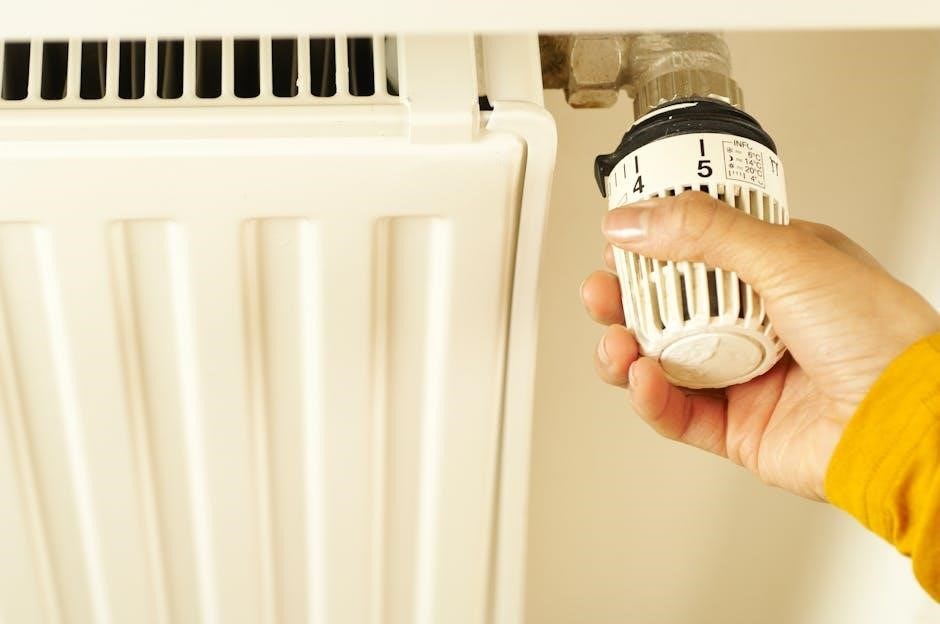
Commonly‚ hardened alloys‚ ceramics‚ and rubber linings are employed to combat abrasion. The choice depends on the slurry’s composition and abrasive characteristics. Regular inspection for wear is essential‚ as even minor erosion can compromise valve sealing and performance. Protective coatings can further enhance abrasion resistance‚ extending the valve’s operational life.

Straight-Through Valve Designs for Slurry
Straight-through valve designs minimize pressure drop and turbulence within slurry systems‚ reducing abrasive wear. These designs offer an unobstructed flow path‚ preventing particle buildup and concentration that accelerate erosion. Full-bore manual valves‚ like ball valves‚ are particularly well-suited for slurry service due to their minimal flow restriction.
Gate valves‚ while offering low pressure drop when fully open‚ can experience higher velocities through the restricted area‚ increasing abrasion. Avoiding dead legs and pockets within the valve body is crucial to prevent particle settling and subsequent erosion. Proper design and material selection are paramount for maximizing the lifespan of slurry valves.
Maintenance of Manual Valves
Regular inspection of manual valves is vital for ensuring reliable operation and preventing costly failures. This includes visual checks for external leakage‚ corrosion‚ and damage to valve components. Internal inspections‚ performed during scheduled shutdowns‚ should assess seat and seal integrity‚ as well as stem and packing condition.
Lubrication is a best practice‚ reducing friction and ensuring smooth operation. Use lubricants compatible with valve materials and process fluids. Proper maintenance extends valve lifespan‚ minimizes downtime‚ and enhances safety. Documenting all maintenance activities provides a valuable history for future troubleshooting and replacement planning.
Regular Inspection Procedures
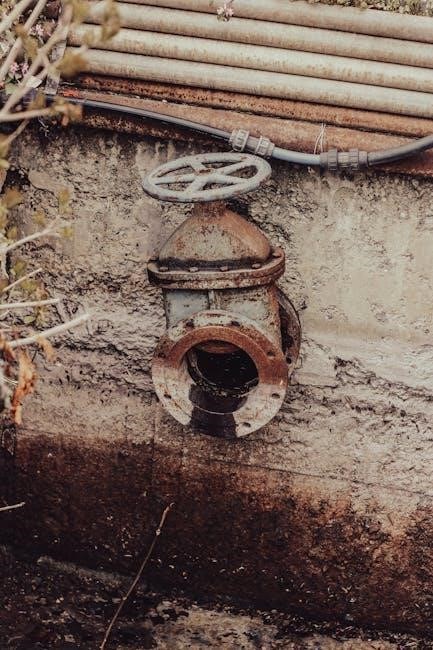
Routine visual inspections should encompass a thorough examination of the valve’s exterior‚ noting any signs of leakage – around the stem‚ body joints‚ or connections. Check for external corrosion‚ paint deterioration‚ and physical damage to the valve’s handle or actuator.
Operational checks involve cycling the valve through its full range of motion to identify stiffness or binding. Listen for unusual noises during operation. Document all findings‚ including dates‚ observations‚ and any corrective actions taken. Consistent‚ detailed records are crucial for tracking valve performance and predicting potential failures‚ ensuring proactive maintenance.
Lubrication Best Practices
Proper lubrication is vital for smooth operation and extended lifespan of manual valves. Utilize a lubricant compatible with valve materials and the process fluid to prevent degradation or contamination. Apply lubricant to the stem threads‚ bonnet packing‚ and any other moving parts as recommended by the manufacturer.
Avoid over-lubrication‚ as excess lubricant can attract dirt and debris. Regularly re-apply lubricant based on operating frequency and environmental conditions. Keep a detailed log of lubrication schedules and types of lubricants used. Consistent lubrication minimizes friction‚ reduces wear‚ and ensures reliable valve performance over time‚ preventing costly downtime.
Troubleshooting Common Manual Valve Issues
Addressing valve malfunctions promptly is crucial for maintaining system integrity. Leakage problems often stem from worn seals or damaged valve seats‚ requiring inspection and replacement. Difficult operation can indicate insufficient lubrication‚ corrosion‚ or internal obstructions.
Systematically check for binding‚ corrosion‚ and proper stem alignment. Before disassembly‚ relieve pressure and isolate the valve. Always refer to the manufacturer’s documentation for specific troubleshooting steps. Ignoring minor issues can escalate into major failures‚ leading to costly repairs and potential safety hazards. Regular maintenance and prompt attention to problems are key.
Leakage Problems
Valve leakage is a common issue‚ often originating from deteriorated seal materials or damage to the valve’s seating surfaces. Identifying the leak’s source – stem packing‚ body joints‚ or the seat itself – is the first step. Elastomers and PTFE seals degrade over time‚ necessitating replacement.
Inspect for scoring or erosion on the valve seat and stem. Tightening the packing gland can temporarily resolve stem leakage‚ but a full seal replacement is often required. Body joint leaks may indicate loose bolts or damaged gaskets. Promptly address leakage to prevent fluid loss‚ environmental contamination‚ and potential safety hazards.
Difficult Operation
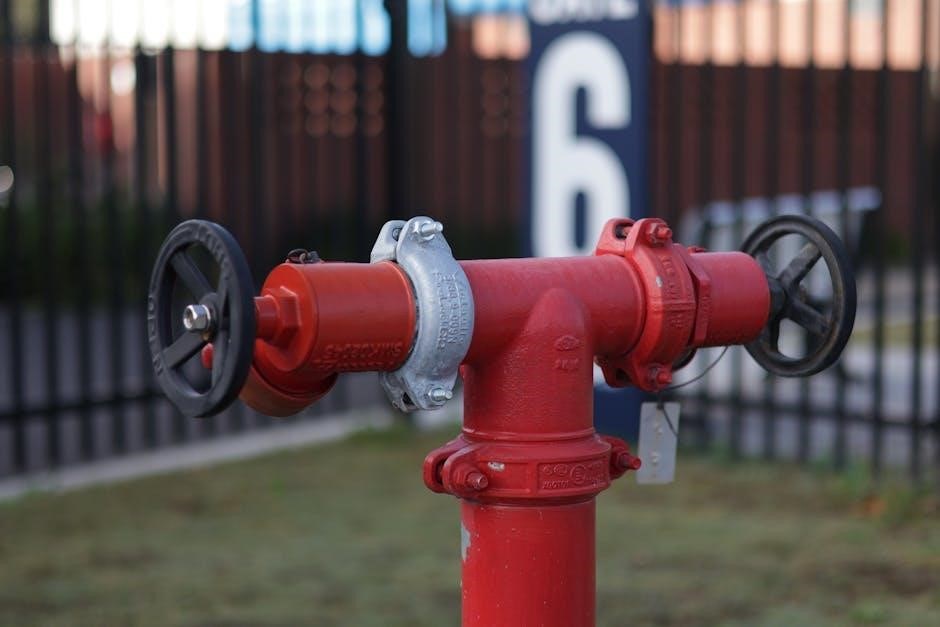
Difficult operation of a manual valve often signals internal issues requiring attention. Sticking stems can result from corrosion‚ debris accumulation‚ or inadequate lubrication. Increased friction hinders smooth valve actuation‚ potentially leading to operator fatigue and imprecise flow control.
Inspect the stem for corrosion and clean away any accumulated debris. Applying appropriate lubrication‚ following best practices‚ can significantly improve operability. If the issue persists‚ internal components may be damaged or misaligned‚ necessitating disassembly and repair. Regular maintenance‚ including inspection and lubrication‚ prevents operational difficulties.
Manual Valve Standards and Regulations
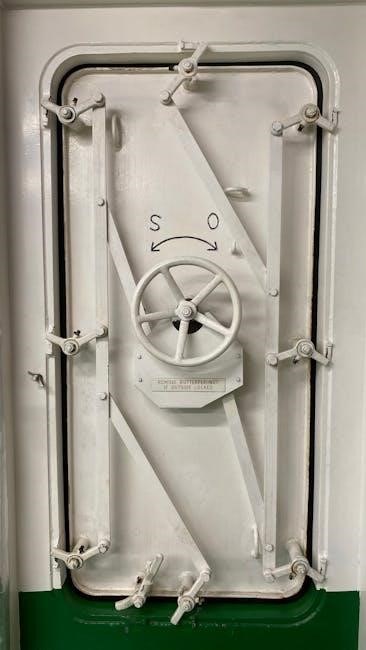
Manual valve design‚ manufacturing‚ and testing adhere to stringent industry standards and regulations ensuring safety and performance. Key organizations like ANSI‚ ASME‚ and API develop these guidelines. ANSI/ASME B16.34 sets standards for valve pressure testing‚ while API 598 covers inspection and testing.
Compliance with these standards is crucial for applications in critical industries like oil & gas‚ chemical processing‚ and water treatment. Regulations often dictate material selection‚ design limitations‚ and documentation requirements. Adhering to these guidelines guarantees valve reliability‚ minimizes risks‚ and facilitates seamless integration within complex systems. Proper documentation and certification are essential for regulatory compliance.
Future Trends in Manual Valve Technology
Manual valve technology is evolving‚ integrating smart features and advanced materials. Smart manual valves‚ equipped with position indicators‚ offer enhanced operational awareness without full automation. These indicators provide visual confirmation of valve status‚ improving safety and efficiency.
Furthermore‚ research focuses on developing advanced materials – like improved alloys and coatings – to significantly increase valve lifespan‚ particularly in harsh environments. These materials enhance corrosion resistance and reduce wear. Expect to see increased use of predictive maintenance techniques‚ leveraging sensor data to optimize maintenance schedules and minimize downtime‚ extending the utility of these essential components.
Smart Manual Valves (Position Indicators)
Smart manual valves represent a bridge between traditional operation and intelligent systems. While retaining manual control‚ these valves incorporate position indicators‚ offering a crucial visual confirmation of valve status. This feature enhances operational safety by allowing operators to quickly verify if a valve is fully open or closed‚ reducing the risk of miscommunication or errors.
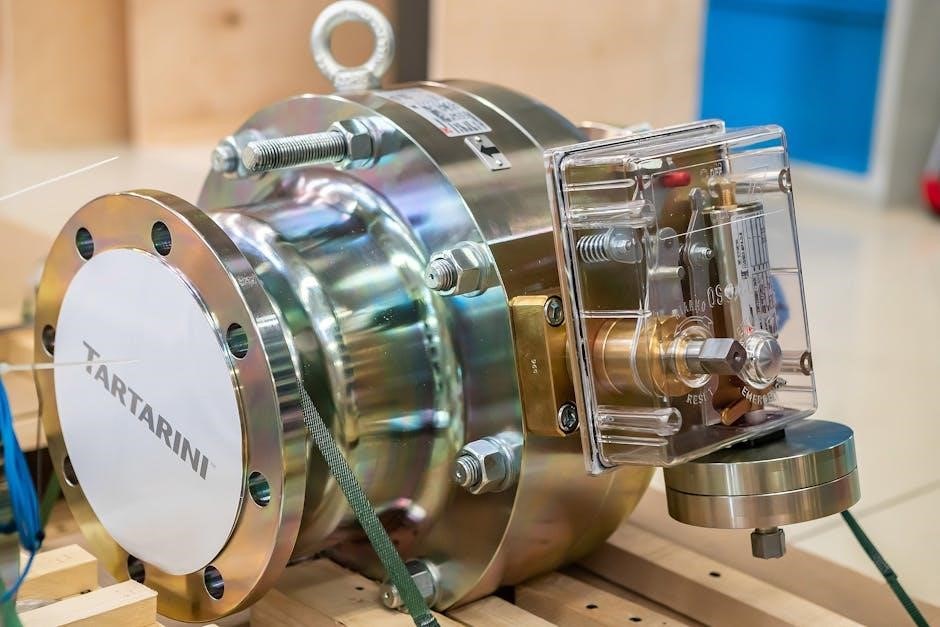
These indicators don’t automate the valve; they simply provide feedback. This is particularly valuable in complex systems where remote visual inspection is difficult. The addition of position indicators improves efficiency and allows for better process monitoring without the expense of fully automated valve control systems.
Advanced Materials for Increased Lifespan
Extending the service life of manual valves is a continuous focus in materials science. Beyond traditional cast iron‚ steel‚ and stainless steel‚ manufacturers are exploring advanced alloys and coatings to combat corrosion‚ erosion‚ and wear. Super duplex stainless steels offer significantly improved resistance to chloride stress corrosion cracking‚ crucial in harsh environments.
Furthermore‚ specialized coatings like ceramic linings or hardfacing alloys are applied to valve components exposed to abrasive media. These innovations minimize degradation‚ reducing the frequency of repairs and replacements‚ ultimately lowering lifecycle costs and improving operational reliability. These materials are vital for demanding applications.